CALL THE STORE TODAY FOR AVAILABILTY AND SCHEDULE AN APPOINTMENT OR SIMPLY CLICK HERE TO SIGN UP ONLINE!!
CLICK HERE TO COMPLETE OUR VACCINATION CONSENT FORM!
Get Healthy!
- Posted March 19, 2026
Drug Smoking Linked To Surge In Severe Burn Cases
Illicit drug users are fueling a surge of severe burn cases at hospitals, as more choose to smoke their dope rather than inject it, a new study says.
More than half of Medicaid patients treated for burns in Oregon hospitals and emergency rooms were using smokable drugs like fentanyl and methamphetamine, researchers reported March 16 in JAMA Internal Medicine.
Overall, burn rates are more than four times higher among people smoking drugs, the study found.
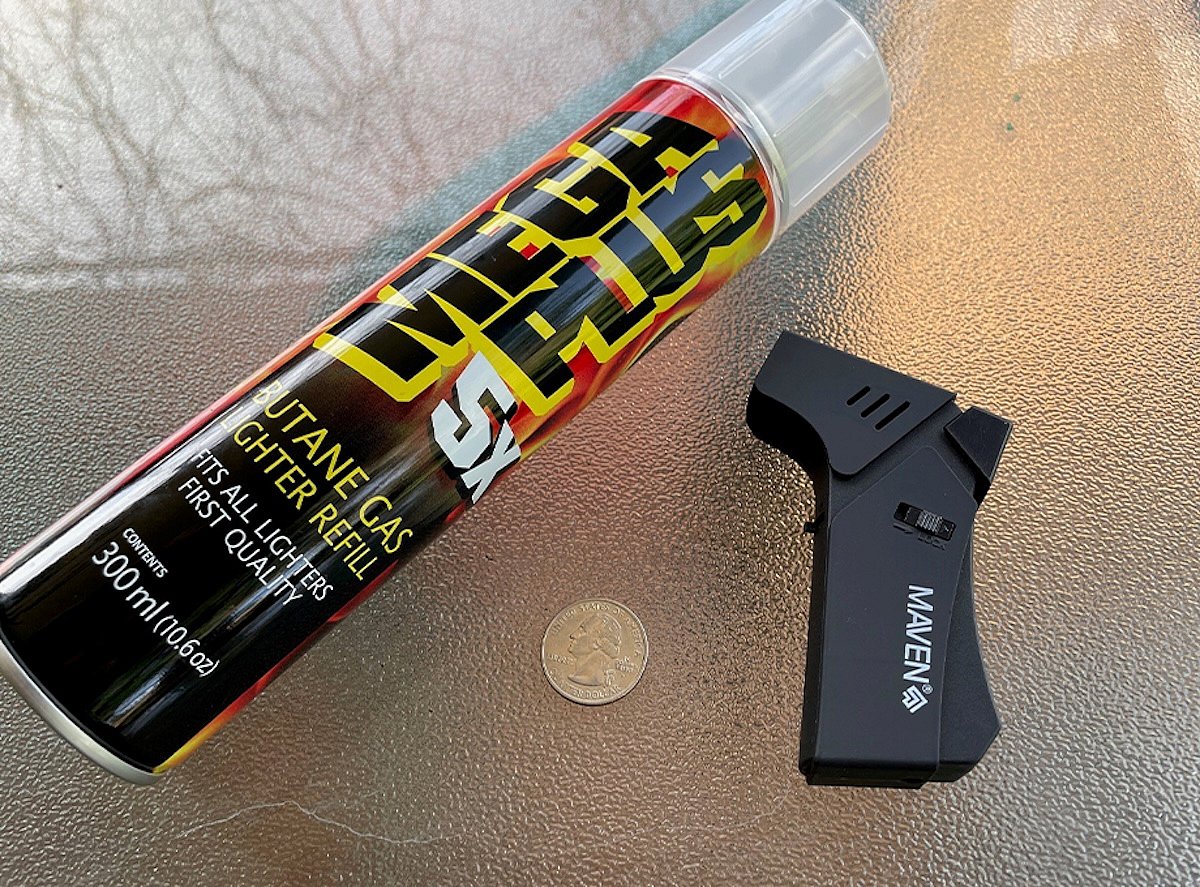
Interviews with burn victims highlighted the role of powerful butane torches in these injuries.
“My friend took a torch … and burned right through his hand…I couldn’t believe it…That he didn’t wake up from that, you know?” researchers quoted one patient as saying.
“We are seeing increasing numbers of patients with catastrophic burn injuries linked to drug use,” said researcher Dr. Mark Thomas, a surgeon in the Oregon Burn Center at Legacy Emanuel Medical Center in Portland.
“People can recover from addiction, but these burns often result in permanent disability, repeated surgeries, and lifelong physical and psychological consequences,” he said in a news release.
Butane torches are designed for cooking and include locking mechanisms to maintain a constant flame.
People who become sedated or unconscious while inhaling fentanyl are more likely to burn themselves with a locked-on butane torch versus a disposable lighter, researchers said.
In 2022, smoking surpassed injection as the most common route of fatal overdoses in the U.S., researchers said in background notes.
They pursued the new study after Portland-area doctors noticed an increase in severe burns at hospitals, ERs and burn centers.
For the study, researchers tracked burn cases among Medicaid patients treated at Oregon hospitals between April 2016 and March 2024.
Results showed that out of more than 12,300 burn cases, nearly 6,600 were among people who used smokeable drugs.
People who smoke drugs constituted almost 54% of burn cases treated at hospitals, even though they comprise just 15% of the general population, researchers said.
“That’s a striking and concerning finding,” said lead researcher Dr. Honora Englander, who directs an in-hospital addiction care team at Oregon Health & Science University in Portland.
“Serious burns are an under-recognized risk associated with smoking drugs,” she said in a news release. “We hope that our study will increase awareness of this critical public health issue.”
The team interviewed 19 burn victims who smoke drugs and found that all used butane torches.
The patients said they prefer the torches because they’re more wind-resistant and burn hotter than lighters, delivering a “crisper, cleaner hit,” the study said. They leave the torches locked on to make them easier to pass from person to person, to keep their hands free or for overall convenience.
“This represents a different injury pathway than what we traditionally associate with substance use,” Englander said. “We have long recognized risks related to injection drug use, but the dangers associated with smoking drugs, particularly severe burns, have not previously been reported.”
Englander said doctors who work with substance use disorder patients should warn them of the risks associated with butane torches.
“I now talk with every patient about how they are smoking,” she said. “Knowing the risk of severe burn injuries, it’s so important to get the word out to the community.”
More information
The Substance Abuse and Mental Health Services Administration has more on the risks of using drugs.
SOURCE: Oregon Health & Science University, news release, March 16, 2026


